
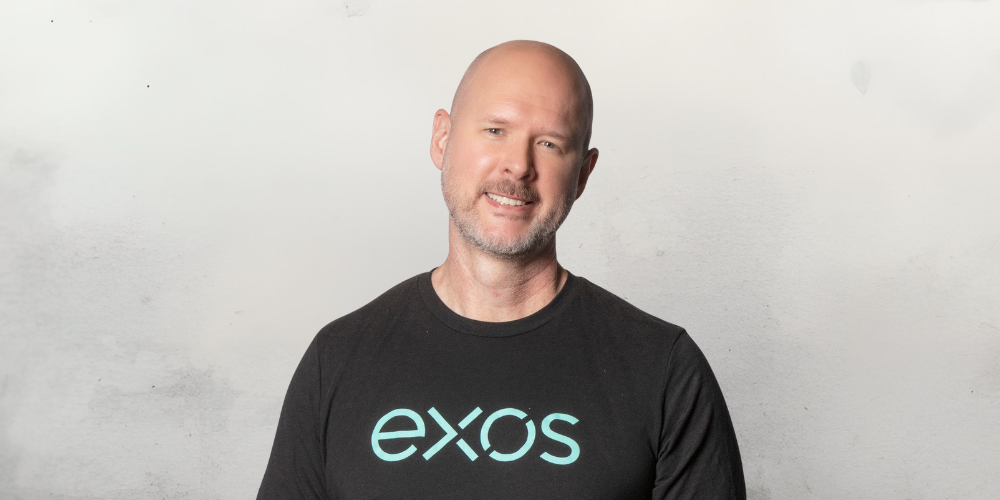
John Stemmerman, CSCS has spent more than two decades supporting athletes, coaches, and teams: from youth sports all the way to the pros.
What started as a simple passion for training turned into a career rooted in human performance and service. Today as Exos’ SVP of Performance Learning & Development, he leads the team that develops Exos coaches and brings our approach to athletes and everyday professionals alike.
In this conversation, he shares the experiences that shaped him and the principles that continue to guide his work.
What first sparked your passion for well-being?
I was just your average high school athlete in Florida. I played football, wrestled, that sort of thing. But I always had a passion for working out.
Early on, it was really just about wanting to look a certain way and trying to be a better athlete. That led me toward bodybuilding. Eventually, I interned with a seasoned coach who worked with Team USA’s weightlifting team.
How did you go from that personal passion to a career in coaching?
Well, that internship turned into a job working with the general population during the day, and helping with the weightlifting team in the afternoons. The owner introduced me to Jeff Sassone who was the Sport Performance Director at a high-performance coaching organization.
I started volunteering there, got hired, and a few years later Mark called Jeff to rejoin him at Athletes’ Performance. Jeff needed help igniting the youth program, so I accepted the offer to join the team.
I got thrown right into the fire training MLB players for the combine. It was my first experience working with pro athletes, and I absolutely loved it.
That’s a big leap. How did your role evolve from there?
Quickly. Within a year, I was managing the Arizona facility. From there, I expanded into hockey, military, and youth populations, then stepped into general manager duties. Over time, I took on director and VP roles.
Today, I lead a team that focuses on training our coaches and translating our methodology to help everyday people. I get to shape how we onboard and elevate our coaching talent across sport, corporate wellness, and everything in between.
Any guiding philosophies that led your way?
Early on, I didn’t recognize it, but I’ve always cared a lot about being of service.
Seeing youth athletes develop, celebrating their wins, supporting them through losses. That human connection mattered a lot to me.
Even with pro athletes, it was never about their fame. It was about being someone they could rely on in their journey. I think great coaches bring a hospitality mindset to the table. That’s the value a human coach provides, even as tech plays a bigger and bigger role.
As our world becomes more digital and isolated, real human coaching is even more important. Coaches are more than facilitators or experts. They're advocates, accountability partners, and emotional anchors. Those roles can’t be replaced by data alone. That humanity is where long-term impact comes from.
Speaking of tech, Exos recently made some big acquisitions. What excites you about this new chapter?
The Infinite Athlete and Biocore integrations are big. They allow us to serve people with an even more personalized, data-informed approach.
We’re now better equipped to give every coach the insights and support they need to drive meaningful outcomes, whether they’re working in sport, corporate wellness, or tactical environments. It’s about amplifying the human side with smart systems.
You’ve seen Exos grow from two facilities to a national footprint. What’s been your leadership approach through all that change?
At the end of the day, I’m a “we” person, not a “me” person. I don’t need the spotlight or a personal brand. My number one priority is the team.
And when opportunities come up, I say yes. That’s how I’ve grown, by just raising my hand and doing the work. There was no five-year plan. I just kept showing up and contributing wherever I could, because I was passionate about serving our athletes and team members.
Over time, that mindset added up. I went from coaching youth athletes to leading learning and development for the entire Performance Innovation team. It’s a reminder that careers often unfold not from chasing titles, but from consistently showing up for the team.
You’re a big advocate of making sure teams are resilient through change. What does organizational resilience look like to you?
Organizational resilience is built on four things: strong leadership, a clear vision, shared struggle, and a strong team. We’ve been through some big transitions — the 2008 financial crisis, the rebrand from Athletes’ Performance, the Medifit merger — and we made it through because of those pillars.
That sense of shared identity doesn’t happen overnight. It’s forged in the trenches—during hectic times, tight turnarounds, and major transitions. But when you’ve gone through all that together, there’s a deep trust that shapes how you move forward.
Meanwhile, we’ve had a really strong group of leaders. They genuinely supported the people working for them, and got the best out of their team members because of that.
Mark, our founder and president, is such a visionary with incredible discipline, but he’s also extremely humble and service-oriented. He sees and expects the best out of you, but is also the first person at the end of each meal to help toss out trash and take everyone’s plate to the dish area.
When you have a leader like that, those principles of humility and service naturally get embedded into the organization.
How do you build that kind of resilience into a team?
You walk the walk. We use the Exos Model of Human Performance internally: load management, Gameplan components like training, sleep, nutrition, reflection. We use things like 25- and 50-minute meetings to give people space to reset.
But it’s also about autonomy, transparency, and psychological safety. On my team, people know the “why” behind the work. They feel free to dissent, and once a decision is made, we all commit.
We trust each other to execute, even if we approach things differently. That kind of culture creates room for flow and high performance.
Exos is known for its holistic approach. How do you connect with that?
It’s become a huge part of how I coach. I always had a big-picture mindset, but Exos helped me see how everything connects: recovery, stress, sleep, nutrition, performance.
Training is just one dial among many. So you have to understand what’s going on outside of it. That means talking to people about their sleep, their nutrition, their stressors.
Nothing works in isolation. It’s all about adjusting the dials to help them show up as their best, most resilient self.
What advice would you give to younger coaches looking to grow their impact?
Say yes to opportunities. See every new challenge as “I get to do this,” not “I have to do this.” And understand that being team-oriented, and being someone who lifts up others, is often the best way to grow yourself.
If you bring that mindset, you're not just building a career. You’re building a legacy of service, trust, and excellence. That’s what makes coaching meaningful. And it’s what makes teams thrive.
Looking to make your organization more resilient and productive? Learn how Exos Virtual Coaching can raise your workforce to greater heights.



.jpg?width=282&name=Featured_blog_tough%20conversation%20(1).jpg)